

April 1, 2019
Business
5 Coupon Code Campaign Ideas That Actually Drive Sales in 2026
Coupon campaigns are older than the internet, but in 2026 they are also a data instrument: a well-designed code tells you exactly which channel, creator or customer segment produced a sale. Here are five campaign structures that consistently work — and the discipline that keeps discounts from eating your margin.
1. Unique Codes Per Channel (and Per Creator)
Stop issuing one generic SAVE10. Generate distinct codes for your email list, Instagram bio, TikTok creators, WhatsApp broadcast and packaging inserts. The code itself becomes attribution: when SARA15 outsells NEWS15 five to one, you know where the next marketing rupee goes. Every serious e-commerce platform (Shopify, WooCommerce with a coupon extension) supports bulk unique-code generation natively now.
On a related note, check out growing your company with freebie marketing.
2. The Welcome Flow: Convert the First Visit
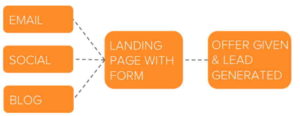
A first-purchase code in exchange for an email or WhatsApp opt-in remains the highest-ROI coupon in existence — you are buying a contactable customer, not just a sale. Make it a one-time unique code with a visible expiry (7–10 days) delivered instantly, then follow with a reminder a day before expiry. The reminder alone typically recovers a meaningful slice of the non-converters.
3. Cart-Abandonment Rescue — Used Sparingly
An abandoned-cart email or WhatsApp message with a modest code (5–10%) sent within 24 hours recovers carts reliably. The catch every retailer learns: do it predictably and customers train themselves to abandon carts to farm the discount. Rotate the incentive (sometimes free shipping, sometimes a code, sometimes just a reminder), cap it per customer, and exclude your most loyal buyers who would have completed the purchase anyway.
4. Tiered and Threshold Codes That Raise Order Value
Design the discount to move the basket, not just the conversion: “Rs. 500 off orders over Rs. 5,000” or “15% off when you buy 3+” pushes average order value upward while protecting margin on small orders. Free-shipping thresholds work the same psychological muscle — shoppers add items to “earn” shipping worth less than the items they added. Set thresholds just above your current average order value.
5. Scarcity Drops and Gamified Codes
Limited-quantity codes (“first 100 uses”), 24-hour flash codes announced only on one channel, or spin-to-win popups that issue randomized discounts all exploit the same driver: urgency plus a feeling of winning. They work — with two rules. The scarcity must be real (fake countdowns destroy trust and, in several jurisdictions, violate consumer law), and the frequency must stay low or urgency fatigue sets in and your “flash” sales become the expected price.
The Discipline: Protect Your Margin and Your Data
- Set guardrails per code: expiry, usage cap, minimum order, product/category exclusions, one-per-customer. Every leak you leave becomes a Slickdeals thread.
- Watch code leakage: “exclusive” codes surface on coupon sites within hours. Unique single-use codes are the only real defense for high-value offers.
- Measure incrementality, not redemptions: the honest question is how many coupon sales would have happened anyway. Compare cohorts with and without the offer before declaring victory.
- Mind the brand effect: constant discounting teaches customers your list price is fiction. Anchor most campaigns to occasions (Eid, 11.11, Black Friday, birthdays) rather than running perpetual codes.
FAQ
Percentage or fixed amount? Fixed amounts (“Rs. 500 off”) test better on low-priced baskets; percentages read bigger on expensive items. A/B test — the answer is category-specific.
How big should the discount be? The smallest number that moves behavior. Start at 10% / free shipping; escalate only with evidence.
Do coupons attract bad customers? Deal-only shoppers exist, but a welcome code that acquires an email you can market to for years is a different economics than a permanent 20%-off banner. Structure decides which customers you attract.

Related Posts


Search Here
Bilal Ahmad
Founder & Editor, TechMaish
Bilal Ahmad is the founder and editor of TechMaish, writing about consumer technology since 2008. For over 18 years he has covered streaming and downloads, games, social media platforms, iPhone and Android, Windows fixes and everyday software, testing tools hands-on and sharing what actually works. He is based in Peshawar, Pakistan.
About MeAll My ArticlesTwitterFacebookLinkedInInstagramPinterest